
Safe installation
Planning to bolt a safe to your floor or wall? Lock Specialists installs mechanical safes and checks anchoring and door alignment on site.
ON THIS PAGE
What is safe installation?When is safe installation needed?What does safe installation include?How does safe installation work?Types of safe installationWhat systems and components does safe installation cover?What are the benefits of safe installation?Repair vs. replacement: which is appropriate?What affects the cost of safe installation?How long does safe installation take?What should you expect during safe installation?Why choose Lock Specialists for safe installation?Frequently asked questions about safe installationSchedule safe installationOVERVIEW
What is safe installation?
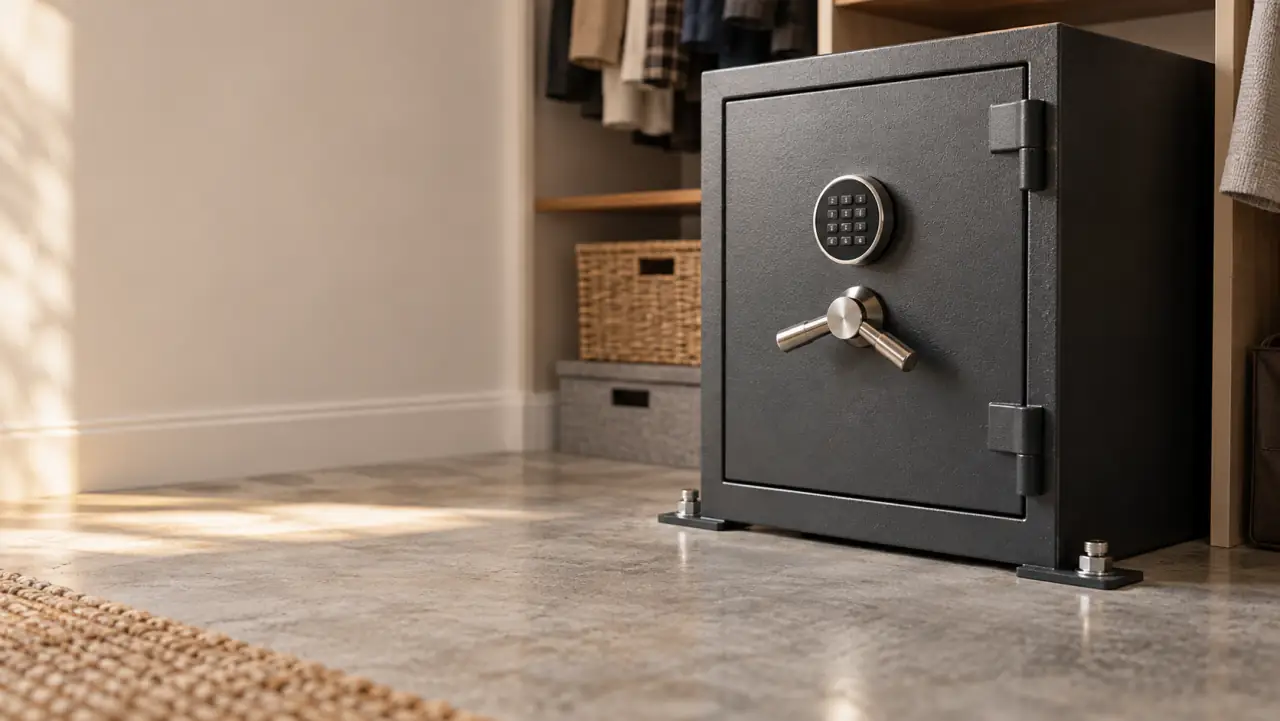
Safe installation places a mechanical safe securely and aligns its door and bolt for reliable use.
A technician plans the position, sets anchors into the floor or wall, and checks that the door closes and locks evenly.
Lock Specialists has served Simi Valley since 1973. Every technician holds a California locksmith license and passes a Live Scan background check.
WHEN IT APPLIES
When is safe installation needed?
You need it for a new safe, a relocated safe, or a safe that does not sit or close correctly.
Signs you need safe installation
- The safe rocks or shifts on its base.
- The door rubs, sticks, or does not seal evenly.
- The bolt misses the strike when you close the door.
- You plan to move a safe to a new room or floor.
Common problems safe installation addresses
- A safe that sits on an uneven floor.
- A door out of alignment after a move.
- An unanchored safe that can tip.
- A bolt that binds because the safe is out of square.
SCOPE
What does safe installation include?
Each installation covers planning, anchoring, alignment, and a closing test.
Inspection and assessment
The technician checks the floor or wall, the safe’s weight, and the planned location.
Preparation and protection
The technician protects the floor and the safe’s finish, then marks the anchor points.
Service work and procedures
The technician drills, sets anchors, and levels the safe. Then the technician adjusts the door and bolt alignment.
Testing and verification
The technician opens and closes the door several times and confirms the bolt engages fully.
PROCESS
How does safe installation work?
The process moves from a site check to a secured, tested safe.
Initial evaluation
You describe the safe model, its planned location, and the surface it will sit on. You receive an upfront quote.
Recommended scope of work
On site, the technician confirms the anchoring method and any alignment work needed.
Service execution
The technician anchors the safe and adjusts the door and bolt.
Final inspection and completion
The technician tests the lock and bolt, then confirms the safe sits secure in place.
TYPES
Types of safe installation
The method depends on the safe's position and the surface beneath it.
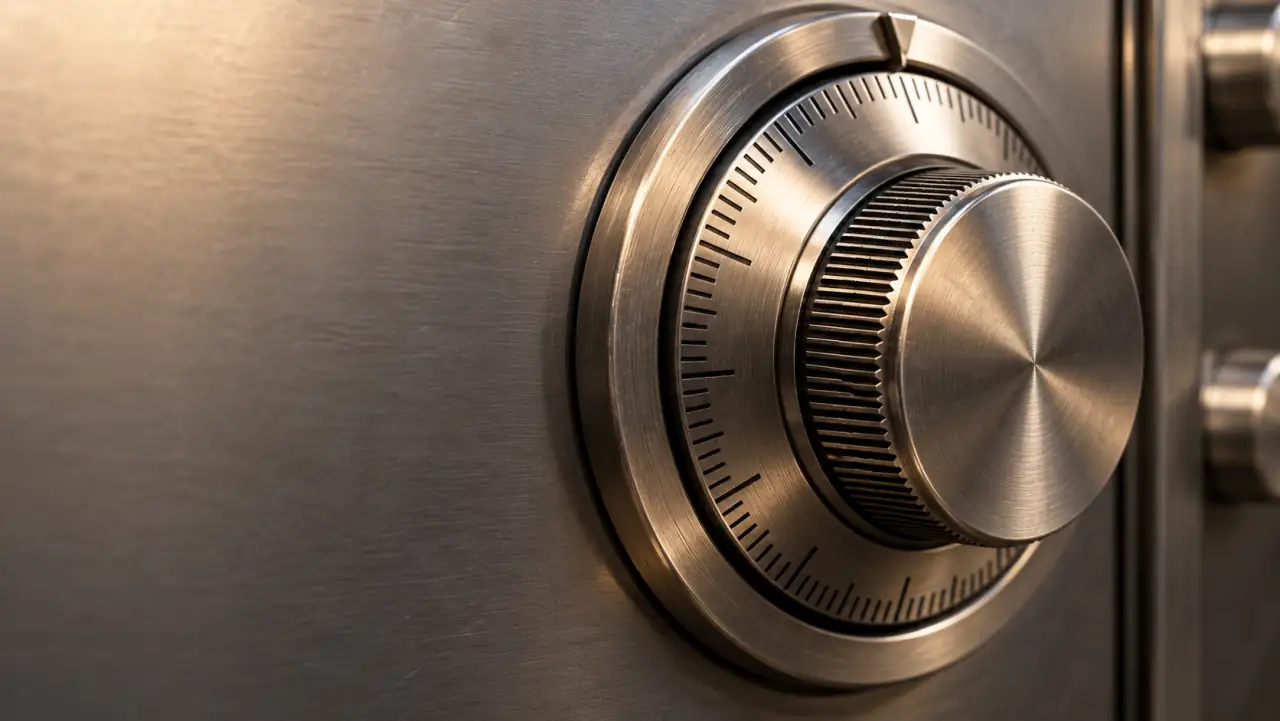
Floor safe installation
A floor safe sits below the floor surface. The technician prepares the opening, sets the safe, and confirms the lid sits flush. This method suits concrete subfloors and requires careful measuring.
Safe anchoring
The technician fixes the safe to the floor or wall with anchor bolts. Anchoring keeps the safe from tipping or being carried away. Concrete anchors need drilling, and the holes remain visible.
Safe door alignment
The technician adjusts hinges, the door, and bolt contact points so the door closes square. Alignment work suits a door that rubs or misses the strike, but a bent frame may need replacement.
COVERAGE
What systems and components does safe installation cover?
The service covers the parts that hold, level, and close a mechanical safe.
Anchor bolts: the fasteners that secure the safe to the floor or wall.
Hinges and door: the hinges and door that carry the safe’s weight.
Bolt and strike: the bolt contact points that must line up.
Floor and wall surfaces: concrete, wood subfloors, and framed walls.
Lock Specialists installs mechanical safes only.
BENEFITS
What are the benefits of safe installation?
A properly installed safe stays put, closes square, and locks reliably.
Stable placement
An anchored safe does not tip or shift.
Smooth closing
An aligned door seals and bolts evenly.
Harder removal
Anchors make the safe more difficult to carry away.
Clear plan
The technician explains the placement and anchoring before drilling.
REPAIR OR REPLACE
Repair vs. replacement: which is appropriate?
Most alignment and anchoring problems are fixable, but a damaged door or frame may need replacement.
Repair makes sense when
- The door needs alignment or hinge adjustment.
- The anchors are loose and the surface is sound.
- The bolt contact points can be reset.
Replacement makes sense when
- The door or frame is bent beyond adjustment.
- The floor or wall cannot hold anchors safely.
- The safe was damaged in transit.
COST
What affects the cost of safe installation?
The price depends on the safe's weight, the surface, and whether alignment work is needed.
Floor installations and concrete anchoring take more work than anchoring into framing. Lock Specialists gives an upfront quote before any work begins.
TIMING
How long does safe installation take?
Installation time depends on the surface and the anchoring method.
A simple anchoring job can finish in one visit. Floor installations and concrete work take longer, and the technician estimates the time after the site check.
WHAT TO EXPECT
What should you expect during safe installation?
Expect a site check first, then drilling, anchoring, and testing.
A review of the planned location and surface.
Drilling and anchoring that leave marks in the floor or wall.
An alignment check of the door and bolt.
A closing test before the technician leaves.
Do not move the safe yourself. A heavy safe can injure you or damage the floor.
WHY US
Why choose Lock Specialists for safe installation?
Lock Specialists is a family-owned Simi Valley company serving the area since 1973.
Licensed: California locksmith license LCO6643, regulated by the Bureau of Security and Investigative Services (BSIS).
Background-checked: technicians complete Live Scan background checks.
Mechanical focus: technicians install and service mechanical safes.
Upfront quotes: you see the cost before the technician begins.
Service areas: Simi Valley, Moorpark, Thousand Oaks, Chatsworth, and Porter Ranch.
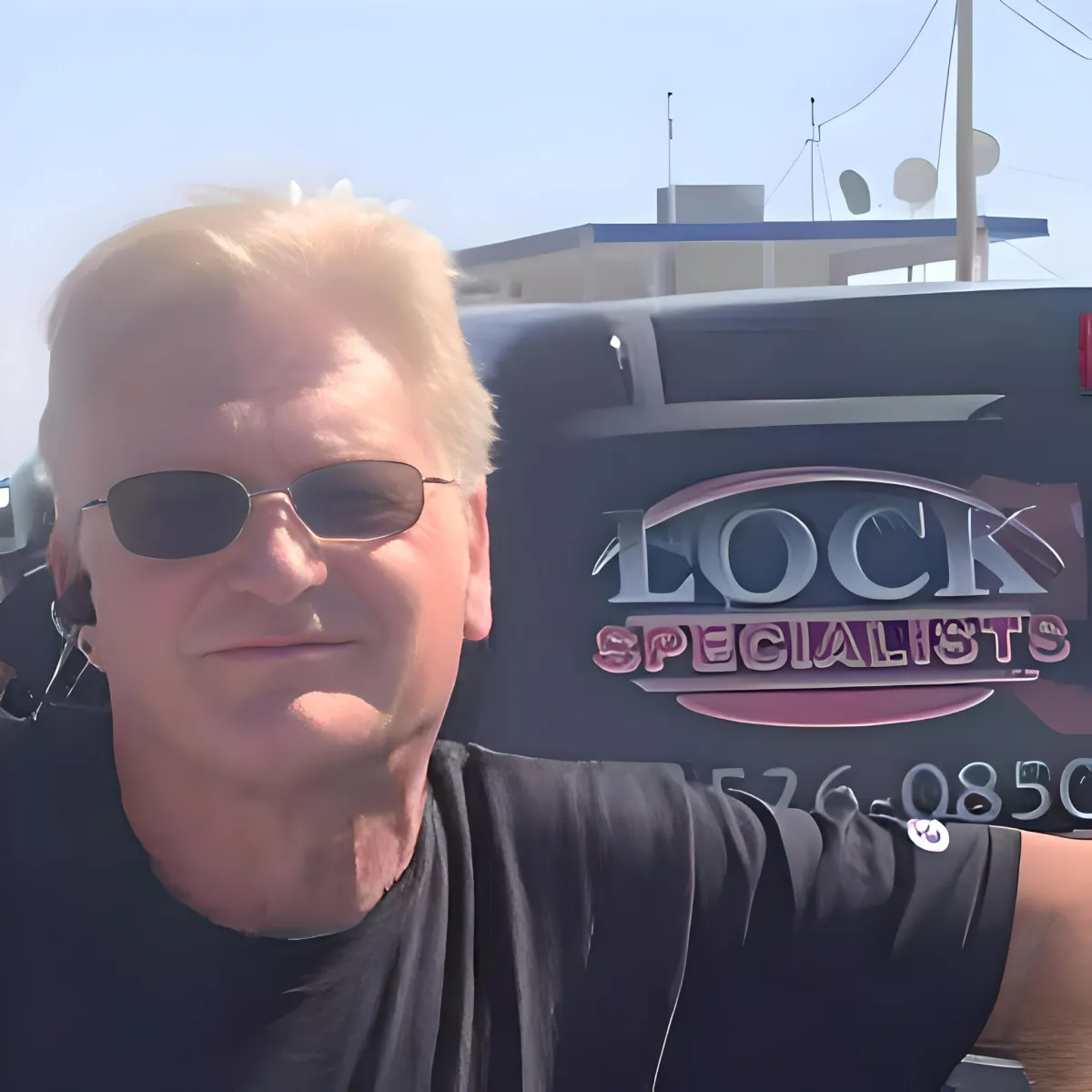
Dennis Murphy, owner of Lock Specialists, with the company service van.
FAQs
Frequently asked questions about safe installation
Can safe installation fix a safe door that does not close?
Often, yes. The technician checks the door, hinges, and bolt alignment. Adjusting alignment can correct a door that rubs or misses the strike. A bent frame or damaged door may need more work.
How often is safe installation needed?
Once for each safe, or again when you move it. A new location may need a new anchoring plan.
What happens if a safe is left unanchored?
An unanchored safe can tip or shift, which damages the safe and the floor. Anchoring also makes the safe harder to remove.
Can safe installation be completed without damaging the floor or wall?
Often not. Anchoring usually requires drilling into the floor or wall. The technician explains the method and the marks it leaves before work begins.
What maintenance is needed after safe installation?
Check the anchor bolts and door alignment once a year. Retighten anchors if the floor shifts, and test the door with the lock before you load the safe.
CUSTOMER REVIEWS




Schedule safe installation
