
Master key systems
Lock Specialists designs, rekeys, and services master key systems for offices, apartments, and multi-tenant buildings.
ON THIS PAGE
What are master key systems?When are master key systems needed?What do master key systems include?How do master key systems work?Types of master key systemsWhat systems and components do master key systems cover?What are the benefits of master key systems?Repair vs. replacement: which is appropriate?What affects the cost of master key systems?How long does master key system work take?What should you expect during master key system work?Why choose Lock Specialists for master key systems?Frequently asked questions about master key systemsSchedule master key systemsOVERVIEW
What are master key systems?
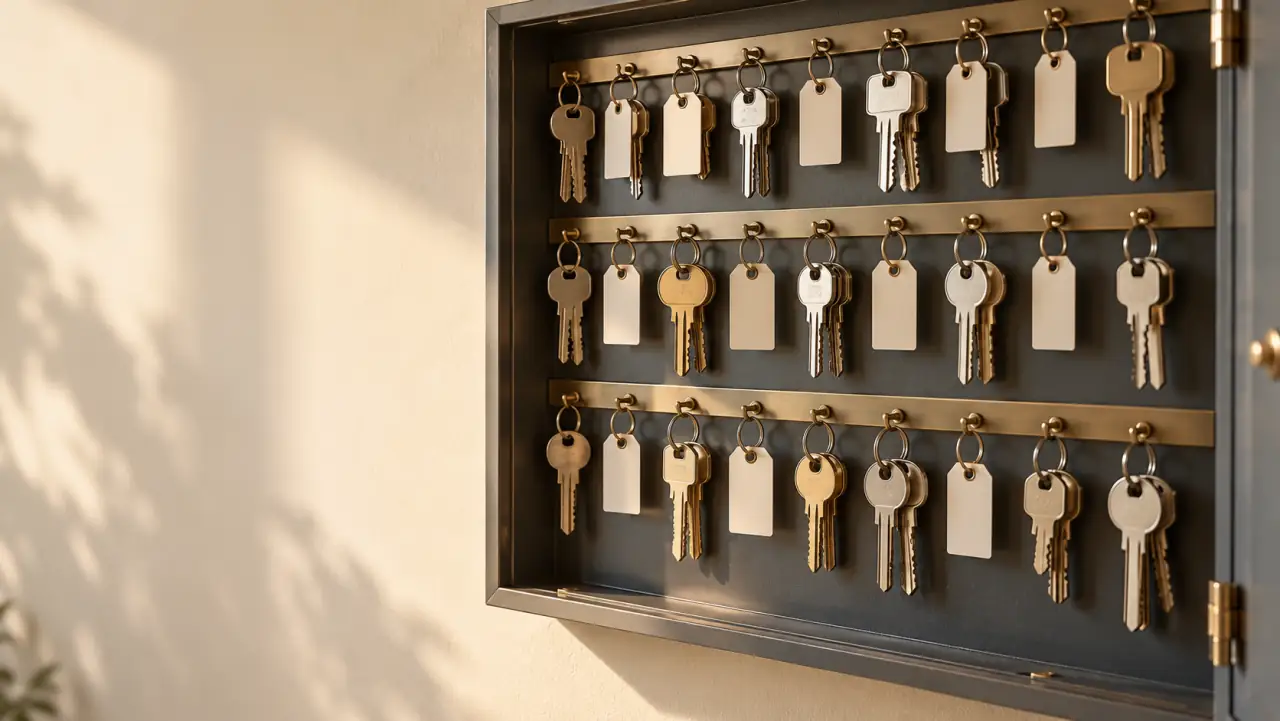
A master key system lets one key open a set of doors, while each door also has its own change key.
Cylinders are keyed in layers. A change key opens one door, a master key opens a group of doors, and a grand-master key opens a larger set.
Lock Specialists works on master key systems for offices, multi-unit residences, and commercial properties. Each layout is planned before any cylinder changes.
WHEN IT APPLIES
When are master key systems needed?
A master key system needs attention when keys leave your control or the layout no longer fits the property.
Signs you need master key system work
- Keys for former tenants or staff remain in circulation.
- Nobody can say how many master keys exist.
- A new tenant needs access that the current layout does not allow.
- Keys open doors that the current key plan does not cover.
Common problems master key systems address
- Mixed key series left over from past installs.
- Cylinders keyed to a plan that nobody documented.
- A master key that opens more doors than one holder’s role requires.
- Interchangeable cores that were left out of the key schedule.
SCOPE
What do master key systems include?
The work starts with a key schedule and ends with tested keys in every holder's hands.
Inspection and assessment
The technician records the existing keying, cylinder types, and every key series on the property.
Preparation and protection
The technician plans the key hierarchy on paper and confirms cylinder compatibility before touching any lock.
Service work and procedures
The technician rekeys or replaces cylinders, sets the new master and change keys, and updates the key schedule.
Testing and verification
The technician tests each key against its assigned door and confirms each master key opens only the doors on its list.
PROCESS
How do master key systems work?
A master key system moves through documentation, layout, keying, and verification.
Initial evaluation
You share a list of doors, tenants or staff, and existing keys. You receive an upfront quote for the key schedule.
Recommended scope of work
The technician proposes a key hierarchy and identifies which cylinders need changes and which can stay.
Service execution
The technician rekeys cylinders or installs interchangeable cores, then cuts keys to the new schedule.
Final inspection and completion
The technician tests every key and hands over a written key schedule for your records.
TYPES
Types of master key systems
Each type of work fits a different stage of a building's keying life.
Master key system design
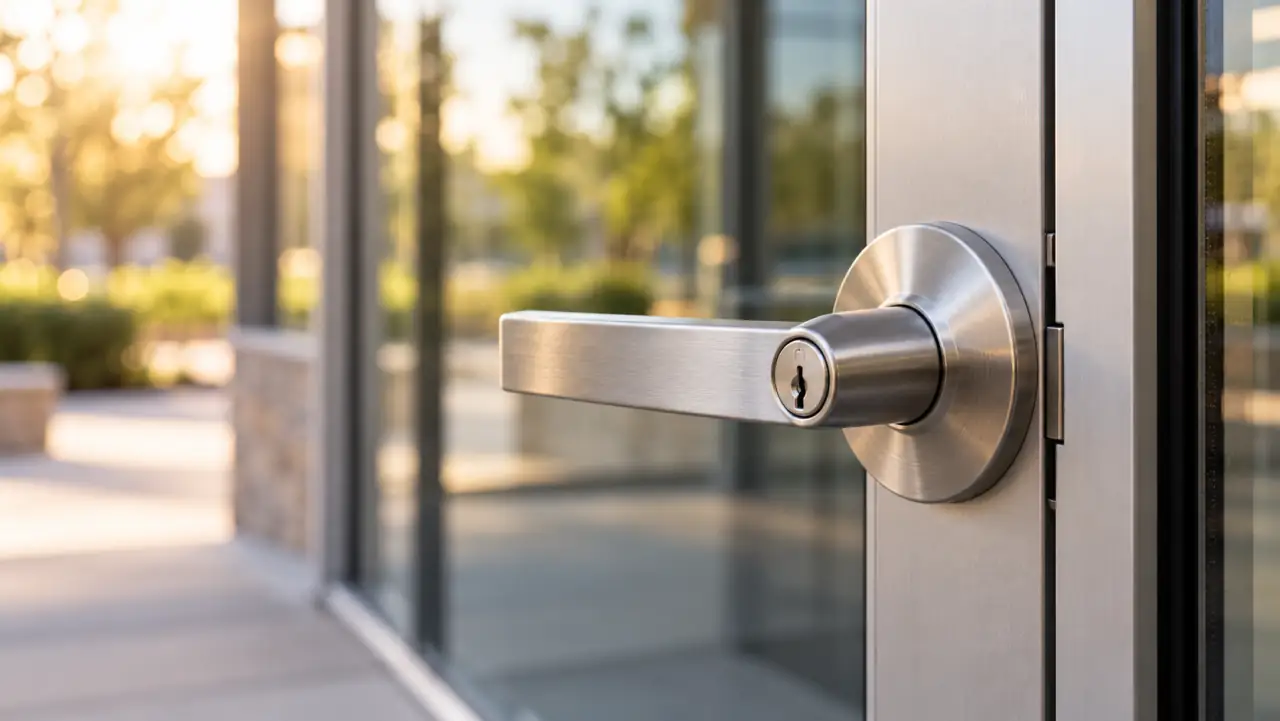
Design fixes the change, master, and grand-master levels before any cylinder is touched. A clear plan leaves room for future tenants, but added levels raise the number of keys to track and can increase cylinder costs.
Grand-master keying
A grand-master key opens several master-keyed groups, which suits buildings with separate wings or zones. Each added level makes the key schedule longer and harder to audit.
Master key system rekeying
Rekeying changes the pins so that old keys stop working, then new keys match the updated plan. It suits buildings where key control has slipped.
Interchangeable core servicing
Interchangeable cores are removable cylinder cores that swap without replacing the lock body. Servicing covers cleaning, pin changes, and core swaps when the key plan changes.
COVERAGE
What systems and components do master key systems cover?
The service covers the cylinders and keys that form the master hierarchy.
Standard pin cylinders: the most common cylinders in offices and apartments.
Interchangeable cores: removable cores in cylinders that accept them.
Change, master, and grand-master keys: each key series and its assigned doors.
Key schedules: the written record of which key opens which door.
BENEFITS
What are the benefits of master key systems?
A master key system keeps access manageable as a property grows.
One key for common areas
Staff carry a single key for shared doors.
Fewer keys in circulation
Each person holds only the keys their role requires.
Targeted changes
A lost change key affects one door rather than the whole building.
Clear records
A key schedule shows who holds which access.
REPAIR OR REPLACE
Repair vs. replacement: which is appropriate?
Most master key systems need a rekey or core change, not a full hardware replacement.
Rekey or service when
- The cylinders are sound and the problem is key control.
- The original plan still fits the building.
- Only a few cylinders need new pins.
Replace hardware when
- Cylinders are worn, cracked, or damaged beyond rekeying.
- The lock body does not support the new key plan.
- Repeated rekeys cost more than one planned replacement.
COST
What affects the cost of master key systems?
Cost depends on the number of cylinders, the number of key levels, and whether existing cores can be reused.
More doors and more key levels mean more cylinders, keys, and planning time. Reusing existing cores lowers the cost, but a complex layout may still need new hardware. Lock Specialists gives an upfront quote before any cylinder changes.
TIMING
How long does master key system work take?
Time depends on the number of doors and the complexity of the key plan.
A small office with a few cylinders takes far less time than a multi-building property. Planning can take a meaningful share of the total, so the key schedule comes first.
WHAT TO EXPECT
What should you expect during master key system work?
Expect a documented plan, a set of tested keys, and a clear record of who holds each key.
A key schedule that lists every door and key level.
Cylinders changed or rekeyed to match the plan.
Keys cut and tested against each assigned door.
Gather your existing keys and a list of tenants or staff before the visit, because the plan depends on them.
WHY US
Why choose Lock Specialists for master key systems?
Lock Specialists is a family-owned Simi Valley company serving the area since 1973.
Licensed: California locksmith license LCO6643, regulated by the Bureau of Security and Investigative Services (BSIS).
Background-checked: technicians complete Live Scan background checks.
Written key schedules: you receive a record you can keep with your property files.
Mobile service: a van carries cores, cylinders, and cutting tools to your site.
Service areas: Simi Valley, Moorpark, Thousand Oaks, Chatsworth, and Porter Ranch.

Dennis Murphy, owner of Lock Specialists, with the company service van.
FAQs
Frequently asked questions about master key systems
Can master key systems fix a building where keys keep going missing?
A master key system does not stop lost keys, but it limits the damage. Rekeying the affected cylinders and issuing new keys keeps the building under your control.
How often is master key system work needed?
It depends on tenant turnover, lost keys, and staff changes. Many buildings rekey after each move-out rather than on a fixed schedule.
What happens if a master key system is left unaddressed?
Former staff or tenants may keep keys that still open active doors. Unclear key counts also make it hard to know who can reach each door.
Can master key system rekeying be completed without disrupting tenants?
Usually, when the work covers one unit at a time. Tenants keep using their doors while the technician works on the next cylinder. Buildings with many cylinders may need a planned sequence.
What maintenance is needed after master key system work?
Keep a written key schedule that lists each key holder and door. Test every key after each change, and apply a dry graphite lubricant to cylinders once a year.
CUSTOMER REVIEWS




Schedule master key systems
