
Lock repair and maintenance
Sticking bolt, worn cylinder, or loose latch? Lock Specialists repairs and maintains residential mechanical locks on site at a scheduled visit.
ON THIS PAGE
What is lock repair and maintenance?When is lock repair and maintenance needed?What does lock repair and maintenance include?How does lock repair and maintenance work?Types of lock repair and maintenanceWhat systems and components does lock repair and maintenance cover?What are the benefits of lock repair and maintenance?Repair vs. replacement: which is appropriate?What affects the cost of lock repair and maintenance?How long does lock repair and maintenance take?What should you expect during lock repair and maintenance?Why choose Lock Specialists for lock repair and maintenance?Frequently asked questions about lock repair and maintenanceSchedule lock repair and maintenanceOVERVIEW
What is lock repair and maintenance?
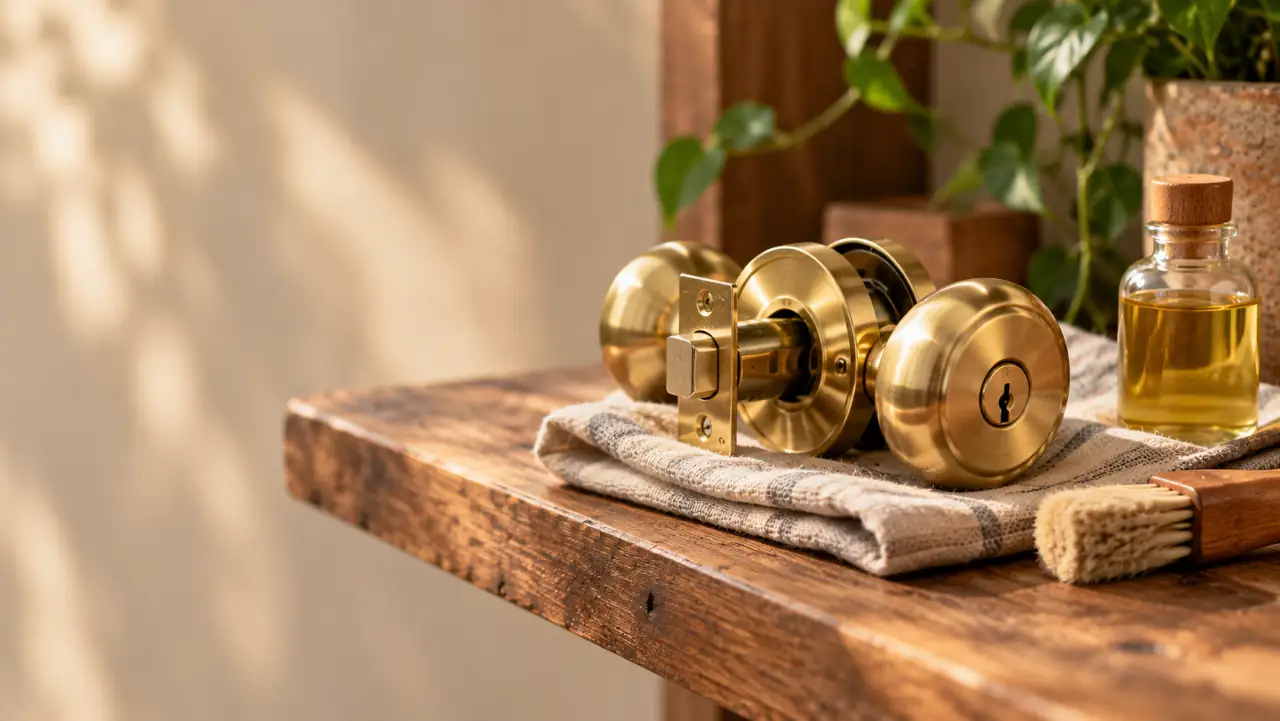
Lock repair and maintenance keeps a mechanical lock working and restores it when it fails.
A technician inspects the lock, cleans and adjusts it when possible, and repairs or replaces worn parts. Routine care slows wear, while repair fixes a lock that already fails.
Lock Specialists has served Simi Valley since 1973. Technicians hold a California locksmith license and pass a Live Scan background check.
WHEN IT APPLIES
When is lock repair and maintenance needed?
You need it when a lock turns hard, sticks, or no longer holds the door.
Signs you need lock repair and maintenance
- The key turns hard, grinds, or sticks.
- The bolt does not extend or retract fully.
- The latch rattles or the handle feels loose.
- The lock needs jiggling to work.
- Dirt or rust shows around the keyway.
Common problems lock repair and maintenance addresses
- Dirt, dust, and grit in the cylinder.
- Worn pins, springs, and tumblers.
- A strike plate that has shifted out of line.
- A broken key fragment in the keyway.
- Loose screws in the handle or faceplate.
SCOPE
What does lock repair and maintenance include?
The service covers inspection, the needed work, and a final check of every function.
Inspection and assessment
The technician examines the cylinder, bolt, latch, strike plate, and door alignment to find the cause.
Preparation and protection
The technician chooses the right lubricant and tools and protects the door finish during work.
Service work and procedures
The technician cleans, adjusts, repairs, or replaces the parts that have failed or worn.
Testing and verification
The technician tests the bolt, latch, and key several times before leaving.
PROCESS
How does lock repair and maintenance work?
The process runs from your call to a tested lock.
Initial evaluation
You describe the symptom, such as a key that sticks or a loose handle. You receive an upfront quote.
Recommended scope of work
On site, the technician explains the cause and whether cleaning, adjustment, or a part replacement fits.
Service execution
The technician carries out the approved work with tools from the mobile service van.
Final inspection and completion
The technician tests every function of the lock and confirms it operates smoothly.
TYPES
Types of lock repair and maintenance
Each type of work addresses a different fault.
Broken key extraction
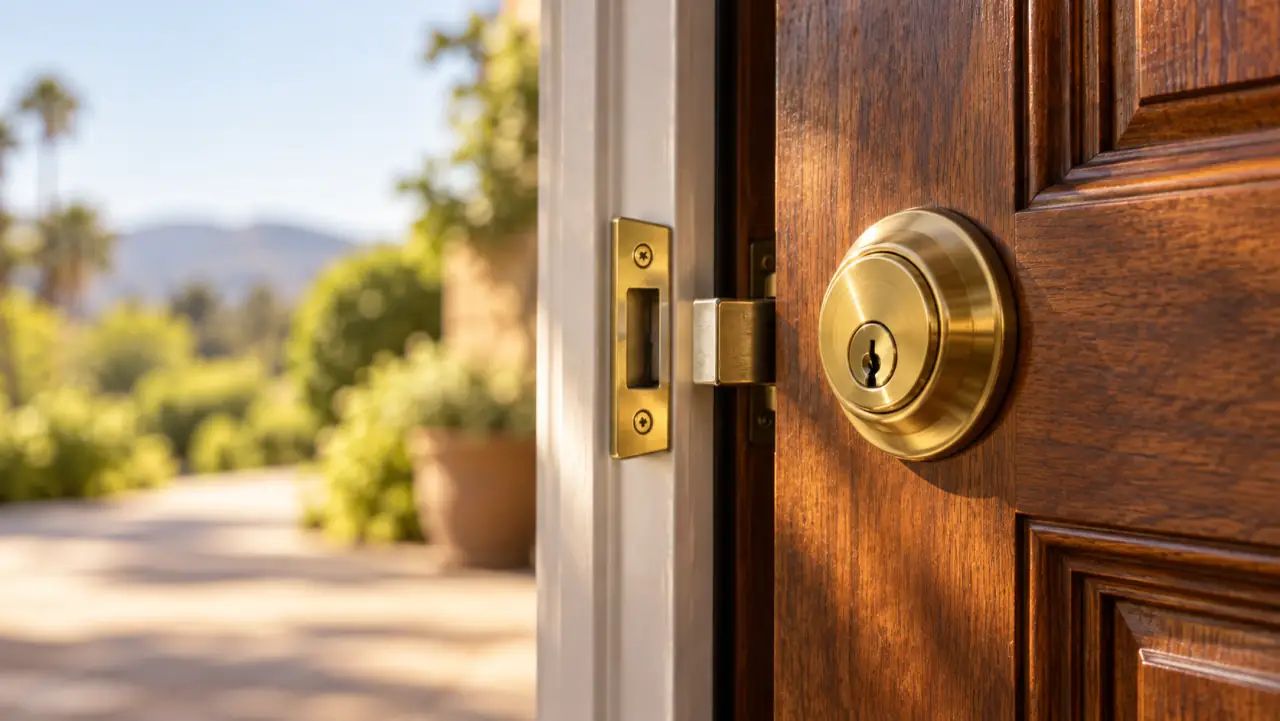
A key that snaps in the lock needs careful removal. Technicians grip the fragment with probes and extractors, avoiding pushing it deeper. Forcing the lock often makes the break worse.
Deadbolt and latch repair
A deadbolt or latch that sticks, sags, or fails to line up often needs strike plate adjustment or a worn part replaced. The technician checks alignment and repairs the mechanism.
Cylinder repair
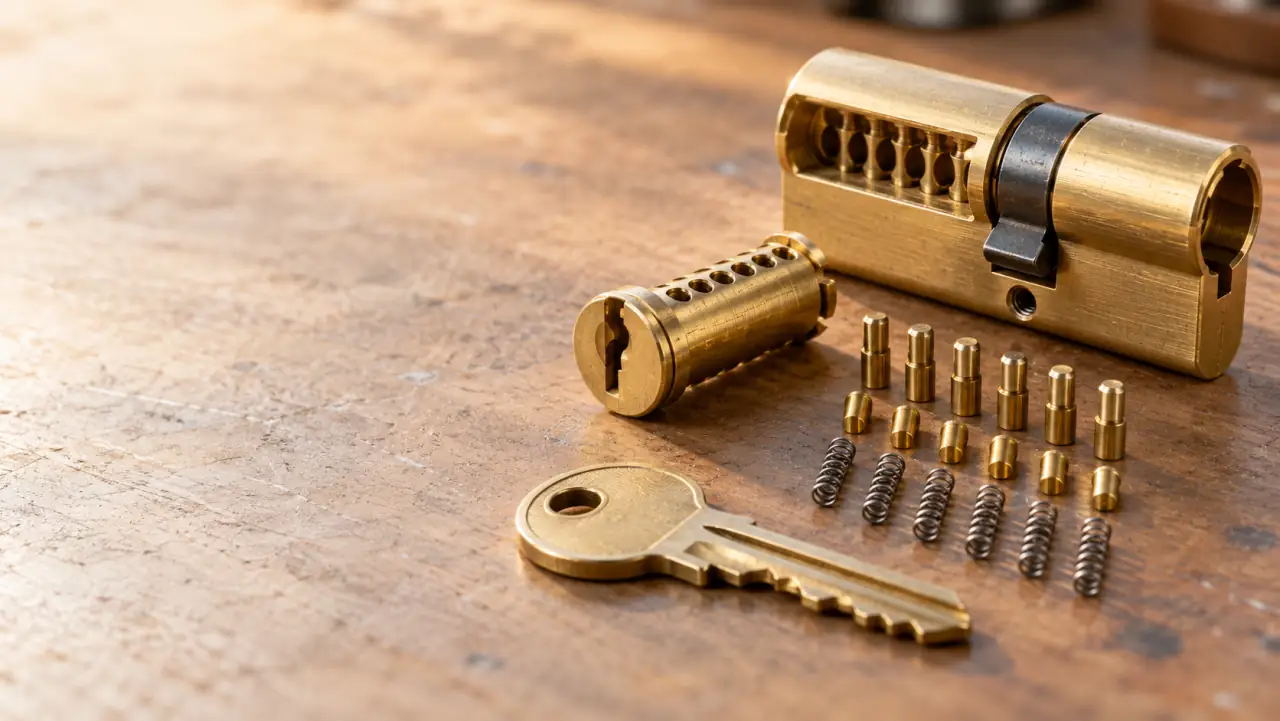
Cylinder repair fixes internal wear or damage, such as worn pins, a bent tailpiece, or a sticking plug. A badly damaged cylinder may need replacement instead.
Lock cleaning and adjustment
Cleaning removes dirt and old lubricant. Adjustment brings the bolt and latch back into proper alignment. Regular cleaning and adjustment slow the wear that leads to larger repairs.
COVERAGE
What systems and components does lock repair and maintenance cover?
The service covers the mechanical lock parts that wear in homes.
Deadbolts: single-cylinder and double-cylinder models.
Knob and lever locks: entry and passage sets.
Cylinders: rim, mortise, and profile cylinders.
Latches and strike plates: alignment and fastening.
Mailbox locks: residential boxes and their keyed components.
BENEFITS
What are the benefits of lock repair and maintenance?
Regular service keeps locks working longer and reveals problems early.
Smoother operation
Keys turn and bolts move without strain.
Earlier detection
The technician finds wear before a lock fails.
Less strain on parts
Clean, adjusted locks put less load on springs and pins.
Verified function
Every lock is tested before the technician leaves.
REPAIR OR REPLACE
Repair vs. replacement: which is appropriate?
Repair fits a lock with sound parts, while replacement fits a lock that is past repair.
Repair makes sense when
- The cylinder or latch is worn but not cracked or bent.
- The door and frame are in good alignment.
- The lock uses parts that are still available.
Replacement makes sense when
- The cylinder is cracked, bent, or internally damaged.
- Repair costs approach the price of a new lock.
- The lock has failed repeatedly after repair.
COST
What affects the cost of lock repair and maintenance?
The price depends on the lock type, the fault, and the parts needed.
Cleaning and adjustment usually cost less than a cylinder or deadbolt replacement. Lock Specialists gives an upfront quote before beginning any work.
TIMING
How long does lock repair and maintenance take?
The length depends on the fault and the number of locks.
Cleaning and adjustment take less time than a cylinder repair or a broken key extraction. Your technician confirms the schedule when you book.
WHAT TO EXPECT
What should you expect during lock repair and maintenance?
The visit starts with diagnosis and ends with a tested lock.
The technician describes the cause before any work begins.
The work is carried out with tools and parts from the van.
Each lock is tested with your key before the technician leaves.
Do not force a sticking lock. Pressure on the key can snap it or strip the mechanism. Avoid oil-based sprays inside a cylinder, since they attract dirt.
WHY US
Why choose Lock Specialists for lock repair and maintenance?
Lock Specialists is a family-owned Simi Valley company serving the area since 1973.
Licensed: California locksmith license LCO6643, regulated by the Bureau of Security and Investigative Services (BSIS).
Background-checked: technicians complete Live Scan background checks.
Mechanical focus: repair and maintenance on residential mechanical locks only.
Upfront quotes: you know the cost before work begins.
Service areas: Simi Valley, Moorpark, Thousand Oaks, Chatsworth, and Porter Ranch.
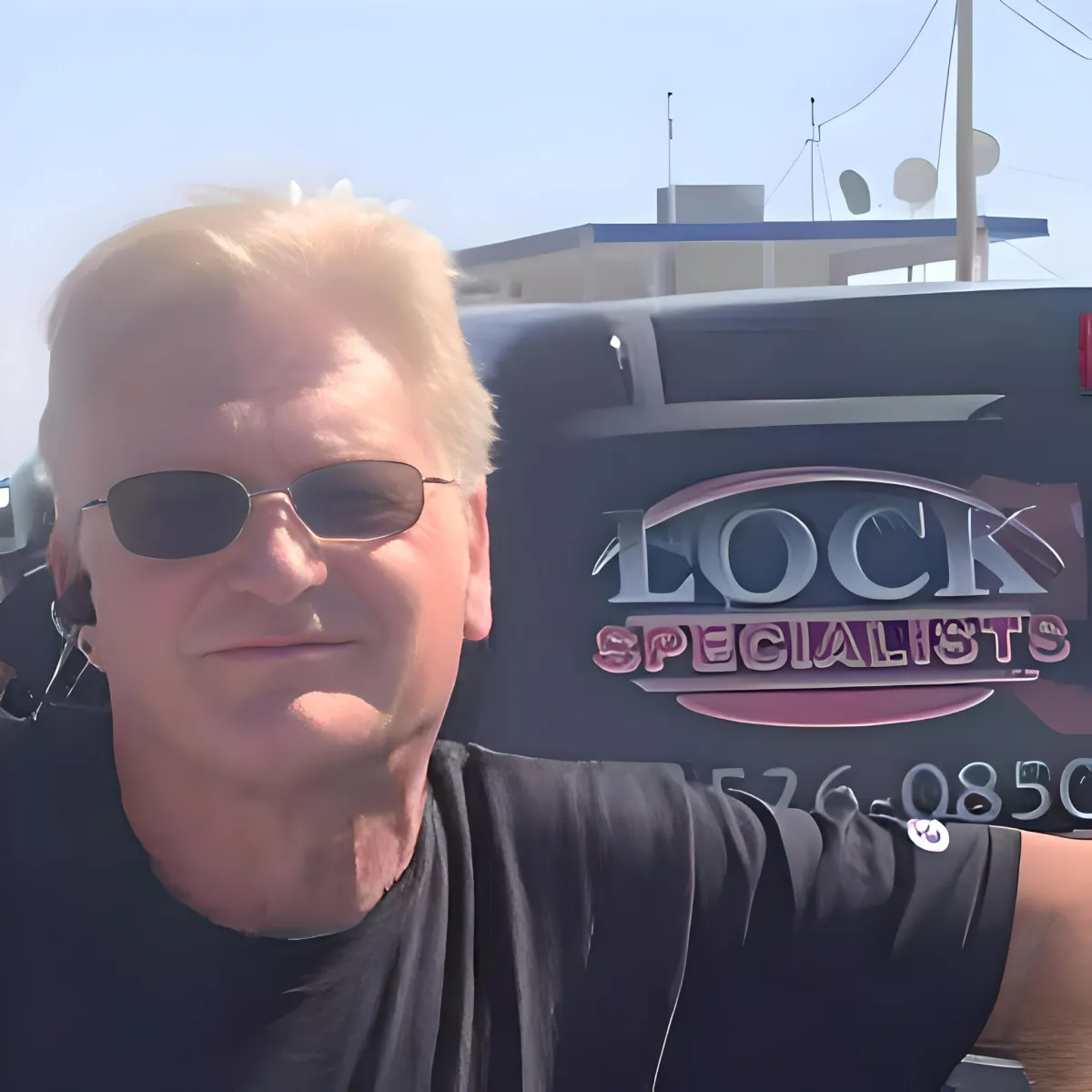
Dennis Murphy, owner of Lock Specialists, with the company service van.
FAQs
Frequently asked questions about lock repair and maintenance
Can lock repair and maintenance fix a deadbolt that sticks?
Yes. A sticking deadbolt usually comes from debris, dry metal, or a strike plate that has shifted. Cleaning, lubrication, or adjustment often restores smooth movement.
How often is lock repair and maintenance needed?
Cleaning and adjustment suit a yearly check of exterior locks. Repair happens when a lock shows wear or fails.
What happens if a sticking lock is left unaddressed?
Friction builds, parts wear faster, and the bolt can stop engaging. A key can also snap in a cylinder that is being forced.
Can lock repair and maintenance be completed without replacing the lock?
Often, yes. Cleaning, adjustment, and minor part swaps keep the existing lock. A cylinder that is cracked, badly worn, or internally damaged may need replacement.
What maintenance is needed after lock repair and maintenance?
Lubricate the cylinder and bolt once a year with a dry or graphite lubricant. Check the strike plate and screws each year, and test every lock after service.
CUSTOMER REVIEWS




Schedule lock repair and maintenance
