
Safe lock maintenance
Stiff dials, sticky bolts, or a drifting combination? Lock Specialists services mechanical safe locks at your location by appointment.
ON THIS PAGE
What is safe lock maintenance?When is safe lock maintenance needed?What does safe lock maintenance include?How does safe lock maintenance work?Types of safe lock maintenanceWhat systems and components does safe lock maintenance cover?What are the benefits of safe lock maintenance?Repair vs. replacement: which is appropriate?What affects the cost of safe lock maintenance?How long does safe lock maintenance take?What should you expect during safe lock maintenance?Why choose Lock Specialists for safe lock maintenance?Frequently asked questions about safe lock maintenanceSchedule safe lock maintenanceOVERVIEW
What is safe lock maintenance?
Safe lock maintenance is scheduled service that keeps a mechanical safe lock turning, setting, and bolting reliably.
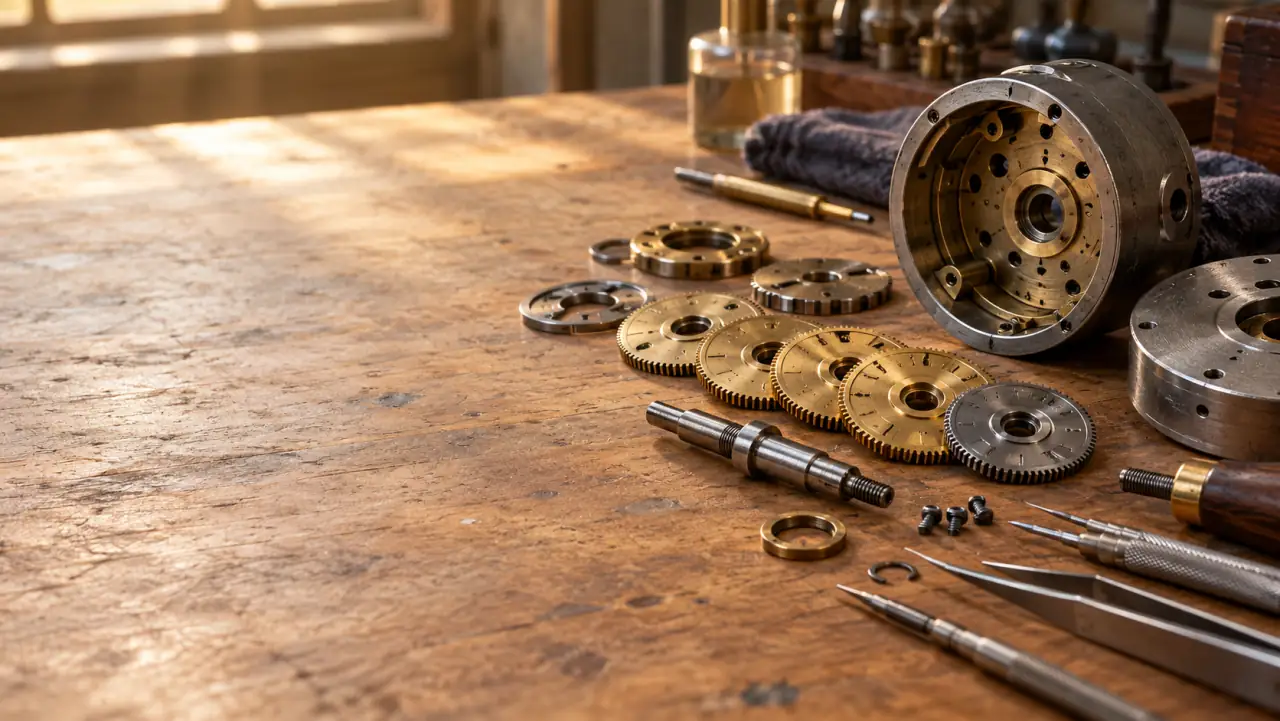
A technician inspects the wheel pack, dial, and bolt, then cleans, adjusts, or replaces worn parts. The work fits the lock design and its age.
Lock Specialists has served Simi Valley since 1973. Every technician holds a California locksmith license and passes a Live Scan background check.
WHEN IT APPLIES
When is safe lock maintenance needed?
You need it when the lock works less smoothly than before or the combination stops setting cleanly.
Signs you need safe lock maintenance
- The dial turns stiffly or catches at certain numbers.
- The combination opens the safe only on some attempts.
- The bolt drags, sticks, or moves unevenly.
- You hear grinding or scraping inside the door.
Common problems safe lock maintenance addresses
- Dried or gummed lubricant in the wheel pack.
- Dust, grit, or rust in the dial mechanism.
- Worn gates or wheels that misalign the combination.
- A bolt that binds from debris or shifted parts.
SCOPE
What does safe lock maintenance include?
Each visit covers an inspection, cleaning and adjustment, and a check of the finished lock.
Inspection and assessment
The technician opens the door, checks the wheel pack and bolt, and notes any wear.
Preparation and protection
The technician covers the door finish and sets up without marking the surface.
Service work and procedures
The technician cleans the parts, applies lock-appropriate lubricant, and adjusts the wheel pack and bolt. Worn parts get replaced when needed.
Testing and verification
The technician sets a combination, runs the dial, and checks the bolt through several full cycles.
PROCESS
How does safe lock maintenance work?
The process moves from a scheduled inspection to a tested lock.
Initial evaluation
You describe how the safe behaves and when it was last serviced. You receive an upfront quote.
Recommended scope of work
On site, the technician explains which cleaning, adjustment, or part replacement the lock needs.
Service execution
The technician performs the approved work and checks with you before any step that changes a part.
Final inspection and completion
The technician tests the dial and bolt, then reviews the next service interval with you.
TYPES
Types of safe lock maintenance
The work depends on which part of the lock needs attention.
Mechanical combination changing
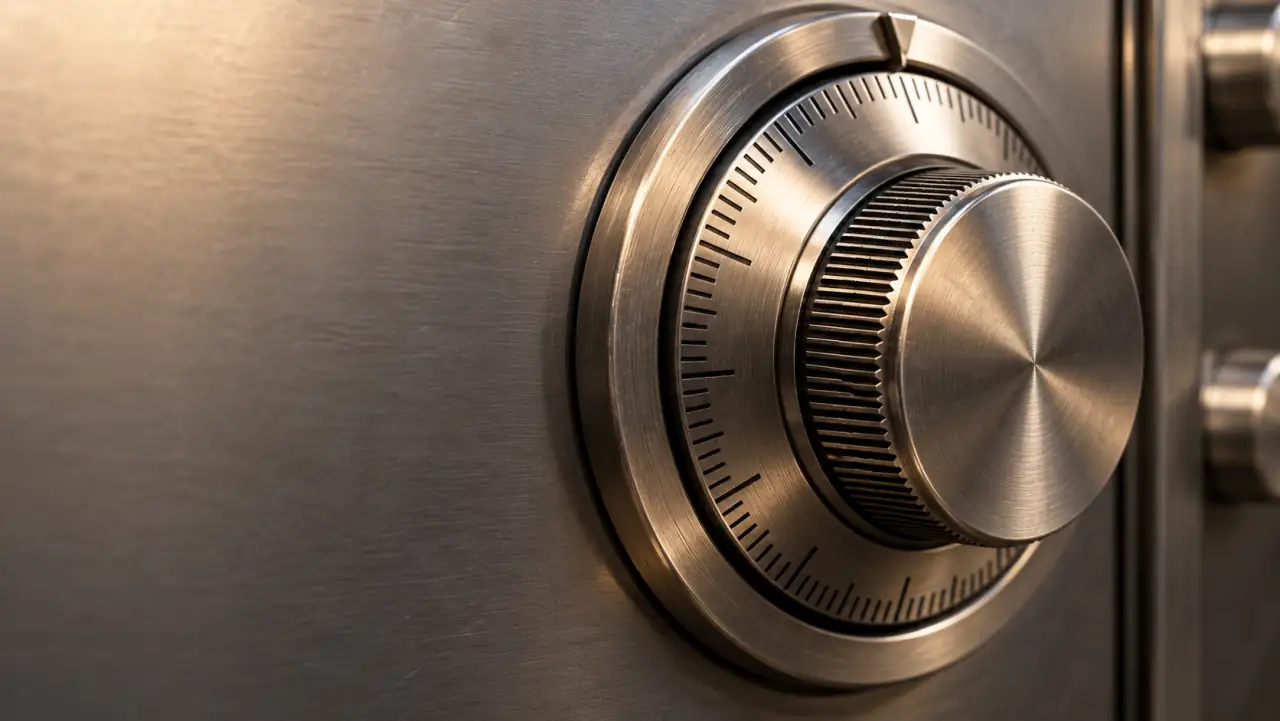
The technician changes the combination on a mechanical dial lock. This suits an owner who wants a new code after staff changes or a suspected leak of the old one. The technician records the new combination for you.
Wheel pack servicing
The technician cleans and lubricates the wheel pack, the stack of wheels inside the dial. This restores smooth, accurate setting. Heavy neglect can require replacing the pack.
Safe lock replacement
When the lock is beyond service, the technician replaces it with a compatible mechanical lock. Replacement suits worn or damaged mechanisms. Compatibility depends on the door and the safe model.
Boltwork repair
The technician repairs the bolt mechanism that secures the door. Repairs address binding, bent linkages, or worn contact points. Some repairs require the door to stay open during the visit.
COVERAGE
What systems and components does safe lock maintenance cover?
The service covers the mechanical parts that set and hold the combination.
Dial mechanisms: the dial, spindle, and wheel pack.
Bolt mechanisms: the bolt, linkages, and locking points.
Vault-type locks: mechanical combination locks on vault doors.
Combination locks: standard mechanical dial locks in home and office safes.
Lock Specialists works only on mechanical units.
BENEFITS
What are the benefits of safe lock maintenance?
Routine service protects the lock and keeps the combination reliable.
Reliable opening
The dial sets and the bolt retracts on each attempt.
Slower wear
Cleaning and lubrication reduce friction on the wheel pack.
Early warning
The technician finds wear before it blocks access to your belongings.
Planned downtime
Service happens on your schedule, not during a problem.
REPAIR OR REPLACE
Repair vs. replacement: which is appropriate?
Most worn locks can be repaired, but a badly damaged lock may need replacement.
Repair makes sense when
- The lock is sound and the wear is limited to dirt or dried lubricant.
- The wheel pack has a single worn part that can be replaced.
- The bolt binds from misalignment that can be corrected.
Replacement makes sense when
- The housing is cracked or the wheels are stripped.
- Repairs would cost more than a replacement lock.
- The model no longer has available parts.
COST
What affects the cost of safe lock maintenance?
The price depends on the lock type, the extent of wear, and the parts needed.
A cleaning and lubrication visit costs less than a full wheel pack replacement. Lock Specialists gives an upfront quote before work begins.
TIMING
How long does safe lock maintenance take?
Most visits finish in one appointment, and complex jobs take longer.
A routine cleaning and adjustment usually fits in one visit. Replacement or boltwork repair takes longer, and the technician estimates the time during the evaluation.
WHAT TO EXPECT
What should you expect during safe lock maintenance?
Expect an inspection first, then the approved work and a test.
An inspection of the dial, wheel pack, and bolt before any work begins.
An upfront quote for the approved work.
A tested combination and bolt before the technician leaves.
A recommended service interval for future visits.
Do not spray unknown oils into the dial. The wrong lubricant can gum the wheel pack and cause more wear.
WHY US
Why choose Lock Specialists for safe lock maintenance?
Lock Specialists is a family-owned Simi Valley company serving the area since 1973.
Licensed: California locksmith license LCO6643, regulated by the Bureau of Security and Investigative Services (BSIS).
Background-checked: technicians complete Live Scan background checks.
Mechanical focus: technicians service mechanical dial locks and vault-type locks.
Upfront quotes: you approve the work and its cost before the technician starts.
Service areas: Simi Valley, Moorpark, Thousand Oaks, Chatsworth, and Porter Ranch.
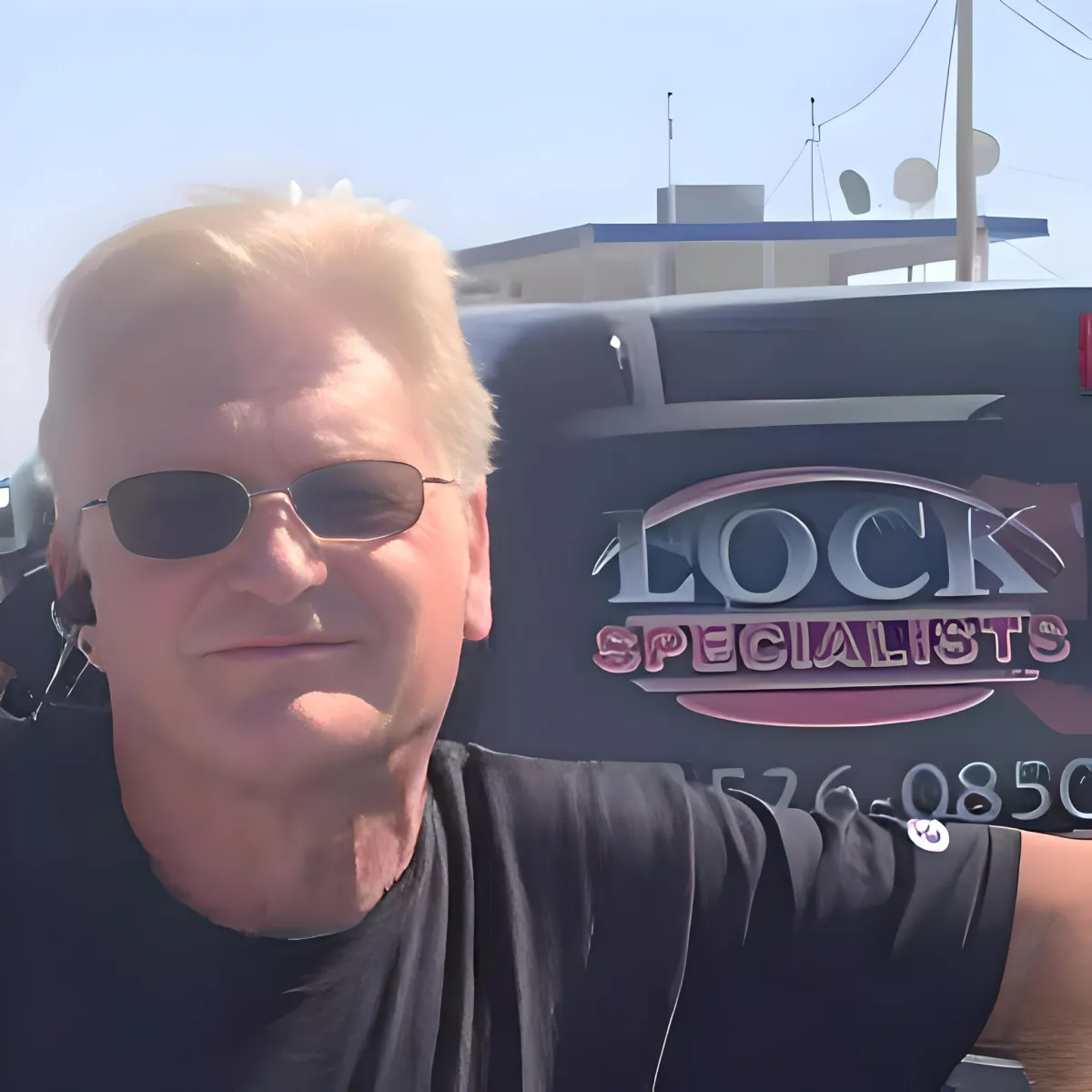
Dennis Murphy, owner of Lock Specialists, with the company service van.
FAQs
Frequently asked questions about safe lock maintenance
Can safe lock maintenance fix a stiff dial on a mechanical safe?
Often, yes. Cleaning, lubricating, and adjusting the wheel pack can restore smooth turning. A worn or damaged part may need replacement instead, and the technician explains which applies.
How often is safe lock maintenance needed?
Frequency depends on how often you use the safe, the surrounding environment, and the lock’s age. Ask the technician for a schedule that fits your use.
What happens if a worn safe lock is left unaddressed?
Dust, rust, and dried lubricant can stiffen the wheel pack until the dial no longer sets the combination. A bolt can also stall, and the safe can stay locked.
Can safe lock maintenance be completed without moving the safe?
Usually, yes. Technicians service most mechanical locks in place. Some work, such as boltwork repair on a heavy vault door, may need the door open and more time.
What maintenance is needed after safe lock maintenance?
Test the dial and bolt after each use, keep the lock clean and dry, and store the combination in a secure place. Book the next inspection when the technician recommends it.
CUSTOMER REVIEWS




Schedule safe lock maintenance
