
Restricted key control
Lock Specialists services restricted keyways and rekeys high-security cylinders to limit key copying.
ON THIS PAGE
What is restricted key control?When is restricted key control needed?What does restricted key control include?How does restricted key control work?Types of restricted key controlWhat systems and components does restricted key control cover?What are the benefits of restricted key control?Repair vs. replacement: which is appropriate?What affects the cost of restricted key control?How long does restricted key control take?What should you expect during restricted key control work?Why choose Lock Specialists for restricted key control?Frequently asked questions about restricted key controlSchedule restricted key controlOVERVIEW
What is restricted key control?
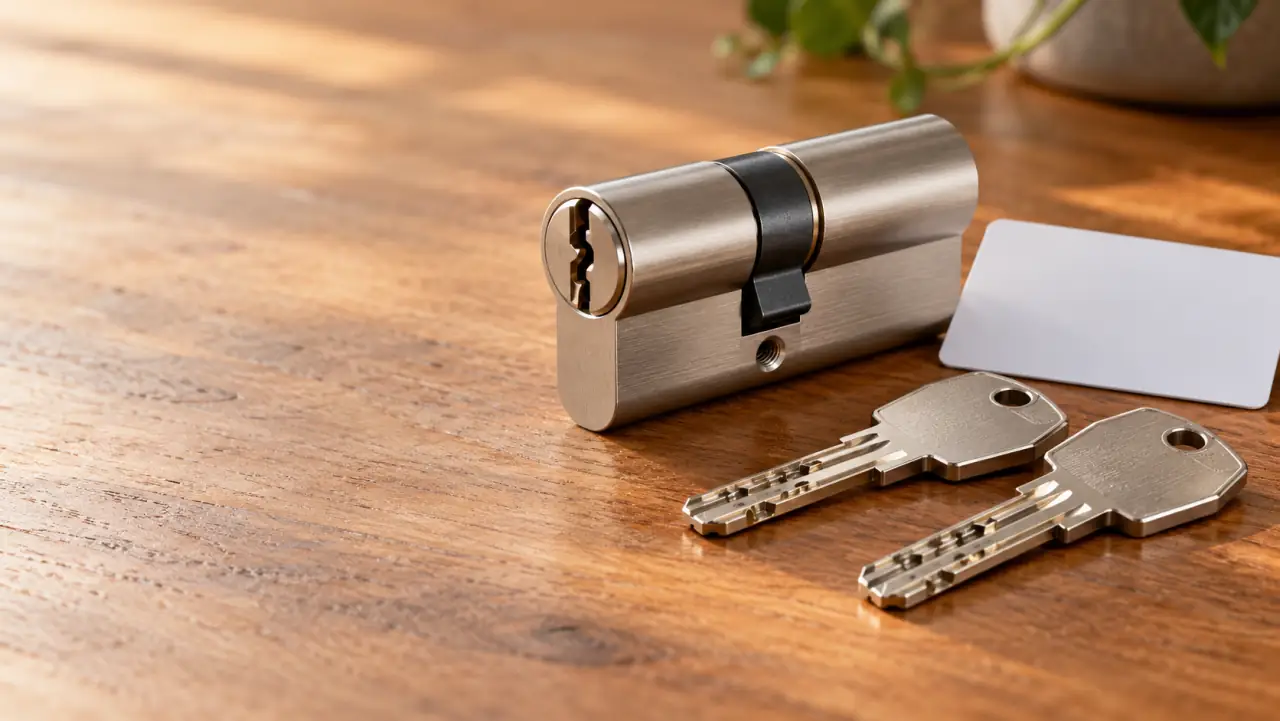
Restricted key control limits who can duplicate a key and where that key can open.
Restricted keyways use a protected profile, so duplicates need authorization from the manufacturer or a key card.
Lock Specialists is a family-owned business that has served Simi Valley since 1973. Its technicians complete Live Scan background checks.
WHEN IT APPLIES
When is restricted key control needed?
Restricted key control matters when keys must stay in known hands.
Signs you need restricted key control
- Duplicate keys appear that nobody can account for.
- Former key holders still have keys that work.
- A restricted cylinder shows signs of a key being cut from an unknown source.
- The property has no written record of key holders.
Common problems restricted key control addresses
- Unauthorized duplicates made from a visible key.
- Old keys held by former tenants, staff, or contractors.
- Mixed keyways left over from past installs.
- Cylinders installed without restricted keyways.
SCOPE
What does restricted key control include?
Each service starts with a key record and ends with a documented control plan.
Inspection and assessment
The technician identifies each cylinder’s keyway, manufacturer, and existing key series.
Preparation and protection
The technician confirms who may request keys and verifies key cards or authorization records.
Service work and procedures
The technician services or rekeys the restricted cylinders and cuts keys only against verified authorization.
Testing and verification
The technician tests each new key against its cylinder and records the results for your key file.
PROCESS
How does restricted key control work?
The process moves from authorization to a documented key record.
Initial evaluation
You provide the key list, the cylinder locations, and the names of authorized holders. You receive an upfront quote.
Recommended scope of work
The technician explains which cylinders need restriction, rekeying, or core replacement, and what authorization each step requires.
Service execution
The technician services the cylinders and cuts keys only after authorization is confirmed.
Final inspection and completion
The technician tests every key and gives you a written record of key holders and cylinders.
TYPES
Types of restricted key control
Each type of work protects a different part of the key system.

Restricted keyway servicing
Servicing cleans, lubricates, and adjusts a restricted cylinder without changing its keyway. A cylinder that sticks may only need cleaning and lubrication.
Authorized restricted key duplication
Duplicate keys are cut only after the technician confirms the holder’s authorization, such as a key card or manufacturer approval. Confirming authority adds time before any cutting starts.
High-security cylinder rekeying
Rekeying replaces the pins so that old keys stop working and new keys match the updated plan. It blocks any key that still exists in someone’s hands.
COVERAGE
What systems and components does restricted key control cover?
The service covers the cylinders and key records that define restricted access.
High-security cylinders: pick-resistant and bump-resistant cylinders with restricted profiles.
Restricted keyways: protected profiles that limit duplication.
Key cards and authorization records: the documents that permit a duplicate.
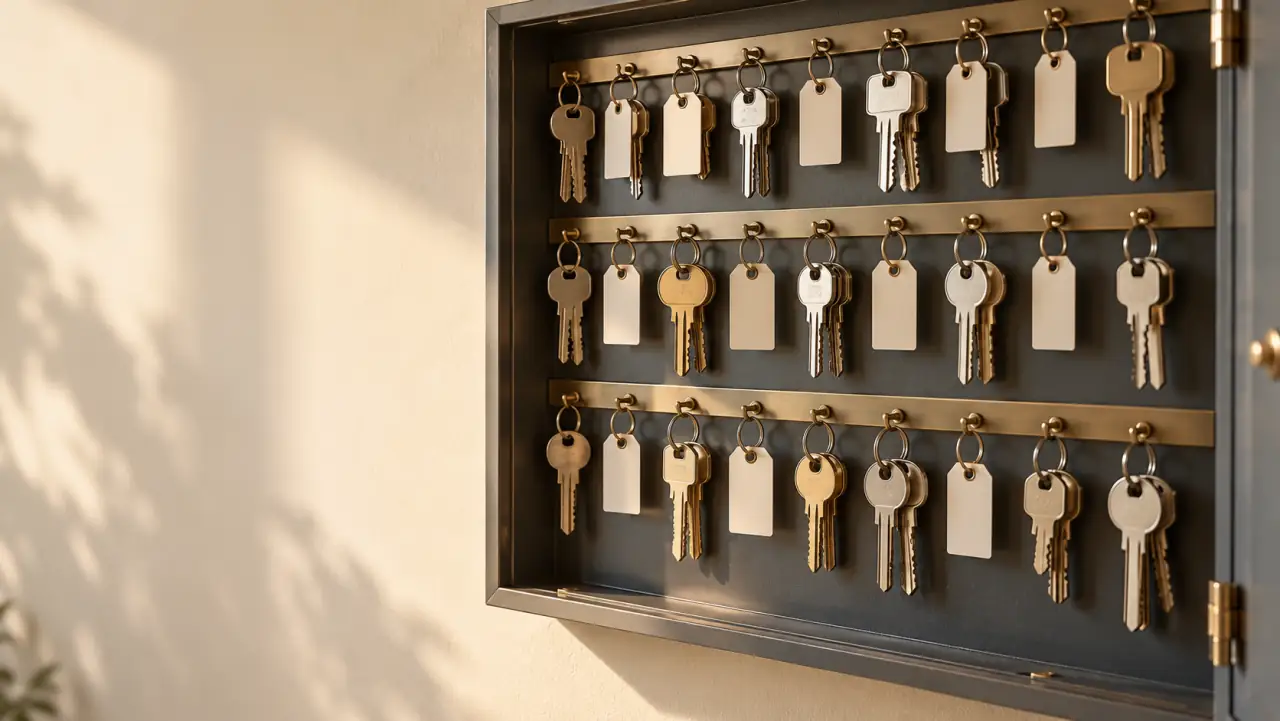
Key schedules: the written list of holders and cylinders.
BENEFITS
What are the benefits of restricted key control?
Restricted key control leaves a short list of people who can copy a key.
Fewer unknown copies
Duplicates need authorization you can track.
Clear accountability
The key schedule shows who holds each key.
Stronger cylinders
High-security cylinders resist picking and bumping better than standard cylinders.
Documented changes
A rekey leaves a record of what changed.
REPAIR OR REPLACE
Repair vs. replacement: which is appropriate?
Service the cylinder when the keyway is sound, and replace it when the restriction has failed.
Service makes sense when
- The cylinder sticks or turns roughly, but the keyway is intact.
- The key record is current and only needs an update.
- Only a few keys need reissue.
Replacement makes sense when
- The keyway has been filed, damaged, or copied.
- The manufacturer no longer supports the key series.
- The restriction no longer fits the property’s key plan.
COST
What affects the cost of restricted key control?
Cost depends on the number of cylinders, the keyway type, and the authorization work.
Restricted keys and high-security cylinders usually cost more than standard keying. Each duplicate also requires verified authorization, which adds time. Lock Specialists gives an upfront quote before any work begins.
TIMING
How long does restricted key control take?
Time depends on the number of cylinders and how long authorization takes to confirm.
A single restricted cylinder often takes less time than a building-wide key plan. Verifying authorization can take longer than the cutting, so send your key list early.
WHAT TO EXPECT
What should you expect during restricted key control work?
Expect a documented key plan and a clear list of who holds each key.
A written list of cylinders and keyways reviewed before any work.
Keys cut only after authorization is confirmed.
A function test of every new key.
Gather your current key holder list and any authorization cards before the visit, because the technician checks them first.
WHY US
Why choose Lock Specialists for restricted key control?
Lock Specialists is a family-owned Simi Valley company serving the area since 1973.
Licensed: California locksmith license LCO6643, regulated by the Bureau of Security and Investigative Services (BSIS).
Background-checked: technicians complete Live Scan background checks.
Verified authorization: the technician checks authority before cutting any restricted key.
Written records: you leave with a key schedule you can keep.
Service areas: Simi Valley, Moorpark, Thousand Oaks, Chatsworth, and Porter Ranch.

Dennis Murphy, owner of Lock Specialists, with the company service van.
FAQs
Frequently asked questions about restricted key control
Can restricted key control stop unauthorized duplicates?
It can reduce them. Restricted keyways need a key card or manufacturer authorization to cut a duplicate. Control works only when the card and the key schedule stay with the property owner.
How often is restricted key control needed?
Review it whenever a key holder changes or a key goes missing. Many properties also review key control once a year as a routine check.
What happens if unauthorized key copies stay in circulation?
Anyone with a copy can enter the space without your knowledge. Rekeying the cylinder is the only way to stop an unknown key from working.
Can restricted key control be completed without disrupting daily access?
Often, when only one restricted cylinder changes. Restricting a whole building takes more planning and may require replacing cylinders.
What maintenance is needed after restricted key control work?
Keep the key cards and key schedule in a secure file. Review key holders each year and collect keys from anyone who leaves.
CUSTOMER REVIEWS




Schedule restricted key control
