
Commercial lock installation
Lock Specialists installs mechanical commercial locks on site, from heavy-duty mortise locks to high-security cylinders.
ON THIS PAGE
What is commercial lock installation?When is commercial lock installation needed?What does commercial lock installation include?How does commercial lock installation work?Types of commercial lock installationWhat systems and components does commercial lock installation cover?What are the benefits of commercial lock installation?Repair vs. replacement: which is appropriate?What affects the cost of commercial lock installation?How long does commercial lock installation take?What should you expect during commercial lock installation?Why choose Lock Specialists for commercial lock installation?Frequently asked questions about commercial lock installationSchedule commercial lock installationOVERVIEW
What is commercial lock installation?
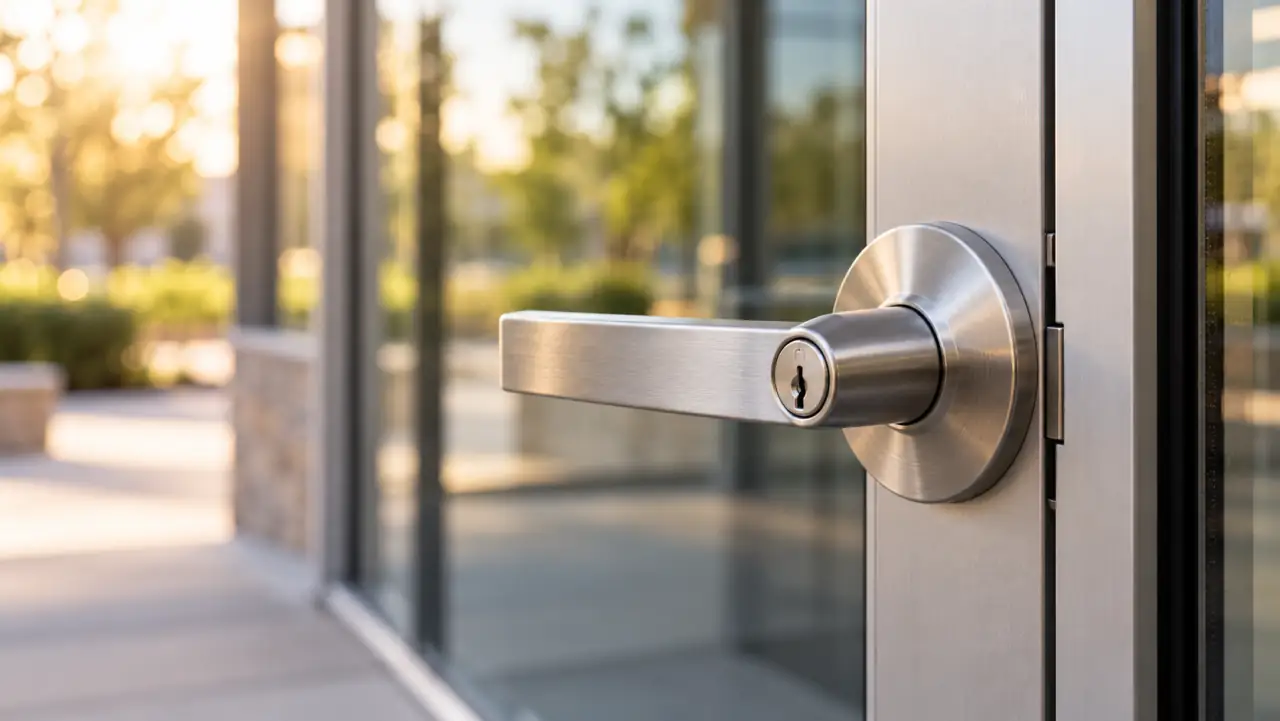
Commercial lock installation is the mechanical fitting of locks and cylinders on business doors.
A technician removes the existing hardware, prepares the door and frame, and fits the new lock to the door’s handing and thickness. Mortise pockets, cylinders, and lever sets each follow different fitting steps.
Lock Specialists is a family-owned business that has served Simi Valley since 1973.
WHEN IT APPLIES
When is commercial lock installation needed?
You need it when a door needs a new lock or the keying no longer fits the space.
Signs you need commercial lock installation
- The lock binds, sticks, or no longer throws the bolt fully.
- The cylinder turns loosely or the key feels rough.
- Pry marks or gouges show around the latch.
- Tenants or staff need a new keying arrangement.
Common problems commercial lock installation addresses
- Worn mortise locks on high-traffic doors.
- Locks that no longer match a changed door thickness or backset.
- Cylinders with worn pins or a damaged keyway.
- Hardware that is hard to operate for people with limited grip strength.
SCOPE
What does commercial lock installation include?
Each installation covers the job from inspection through testing.
Inspection and assessment
The technician checks the door, frame, hinges, and existing hardware for fit and wear.
Preparation and protection
The technician confirms the door handing and backset, then protects the door finish during cutting and fitting.
Service work and procedures
The technician cuts the mortise pocket if needed, sets the new lock, and installs the cylinder and trim.
Testing and verification
The technician tests the bolt, latch, and key cylinder through the full range of motion before leaving.
PROCESS
How does commercial lock installation work?
The project moves from a quote to a tested lock in four stages.
Initial evaluation
You describe the door, the lock you need, and any keying requirements. You receive an upfront quote before work begins.
Recommended scope of work
The technician explains the lock type, the cylinder, and any door adjustments the installation requires.
Service execution
The technician removes the old hardware, fits the new lock, and installs the cylinder and trim.
Final inspection and completion
The technician tests every function with each key you receive and reviews the key list with you.
TYPES
Types of commercial lock installation
The lock type depends on how the door is used and how much security you need.
Heavy-duty mortise lock installation
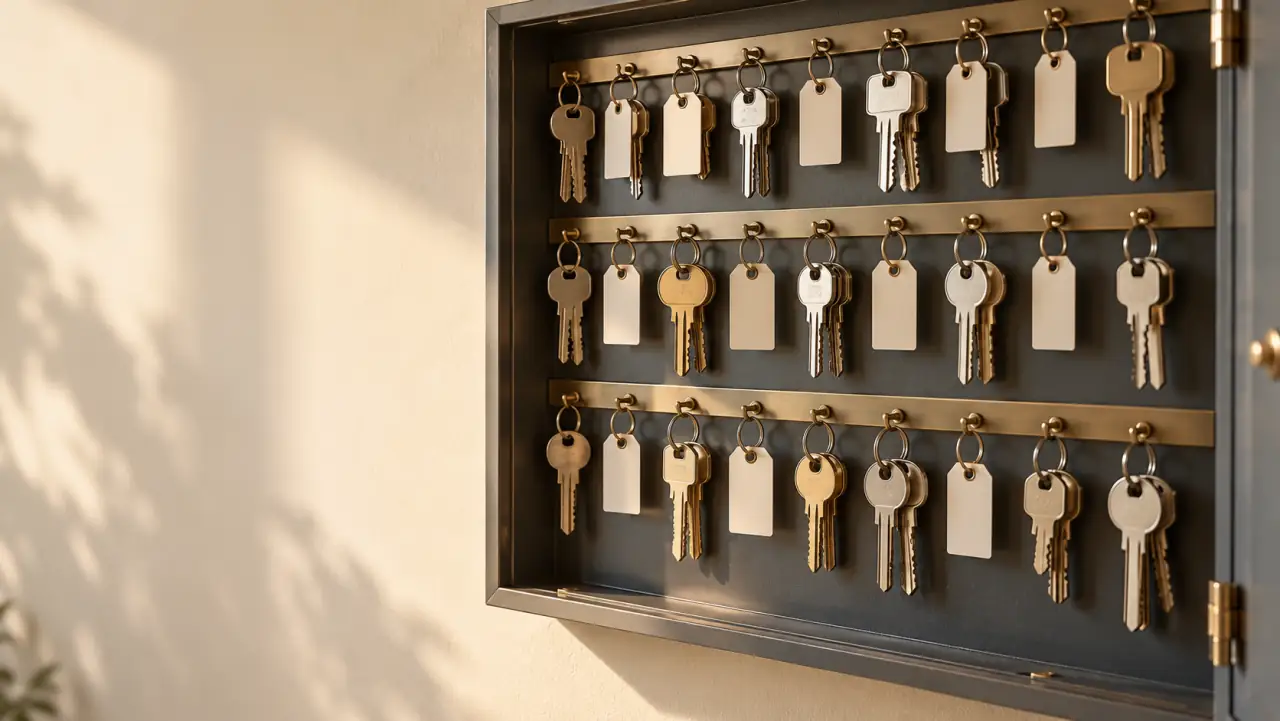
A mortise lock sits in a pocket cut into the door edge. Heavy-duty cases and bolts suit high-traffic doors. Cutting the pocket removes material, so thin or damaged doors may need reinforcement first.
Commercial lever lock installation
Lever handles are easier to operate than knobs for many people. Lever trim pairs with mortise or cylinder locks, and the technician matches the trim to the lock body.
Mechanical pushbutton lock installation
A mechanical pushbutton lock opens with a set combination of buttons and needs no batteries or wiring. Changing the combination follows the lock maker’s reset procedure, so plan a code change whenever staff turn over.
High-security cylinder installation
High-security cylinders resist picking, bumping, and key copying better than standard pin cylinders. Many use restricted keyways that need a key card or manufacturer authorization to duplicate.
COVERAGE
What systems and components does commercial lock installation cover?
The service covers the mechanical hardware most commercial doors use.
Mortise locks: heavy-duty mortise cases, latches, and deadbolts.
Lever sets: interior and exterior lever trim.
Cylinders: standard, high-security, and interchangeable core cylinders.
Pushbutton locks: mechanical combination locks for storage rooms and back doors.
The technician also checks the strike plate, because a misaligned strike can stop the latch from engaging.
BENEFITS
What are the benefits of commercial lock installation?
A properly fitted commercial lock improves security and daily operation.
Better fit
The lock matches the door’s thickness, backset, and handing.
Smoother operation
Bolts and latches engage without binding.
Clear key control
A planned keying layout makes keys easier to track.
Tested before handover
The technician checks every function before leaving.
REPAIR OR REPLACE
Repair vs. replacement: which is appropriate?
Repair the lock when the body is sound, and replace it when wear runs deep.
Repair makes sense when
- The cylinder works and only needs cleaning or lubrication.
- The mortise case is sound and the latch is worn or misaligned.
- The door still fits the existing hardware.
Replacement makes sense when
- The mortise pocket is damaged or the case is cracked.
- The lock no longer fits the door or its parts are no longer available.
- Repeated repairs add up to close to the cost of a new lock.
COST
What affects the cost of commercial lock installation?
Cost depends on the lock type, the door's condition, and the keying plan.
Heavy-duty mortise locks and high-security cylinders usually cost more than standard lever sets. Doors that need frame work add to the total. Lock Specialists gives an upfront quote before any work begins.
TIMING
How long does commercial lock installation take?
Single-door installs take less time than multi-door projects.
A lever or cylinder swap takes less time than a heavy-duty mortise install with door fitting. Multi-door projects run longer, and your quote states the expected schedule.
WHAT TO EXPECT
What should you expect during commercial lock installation?
Expect a clear plan, a lock test, and keys before the technician leaves.
A written upfront quote before work begins.
A check of the door and frame before any cutting.
Confirmation of the cylinder’s keyway and key count.
A function test of the lock with each key you receive.
Tell the technician about any door that sticks or sags before the visit, because it changes the fitting steps.
WHY US
Why choose Lock Specialists for commercial lock installation?
Lock Specialists is a family-owned Simi Valley company serving the area since 1973.
Licensed: California locksmith license LCO6643, regulated by the Bureau of Security and Investigative Services (BSIS).
Background-checked: technicians complete Live Scan background checks.
Mobile service: a service van carries tools and common hardware to your site.
Upfront quotes: you know the cost before work begins.
Service areas: Simi Valley, Moorpark, Thousand Oaks, Chatsworth, and Porter Ranch.
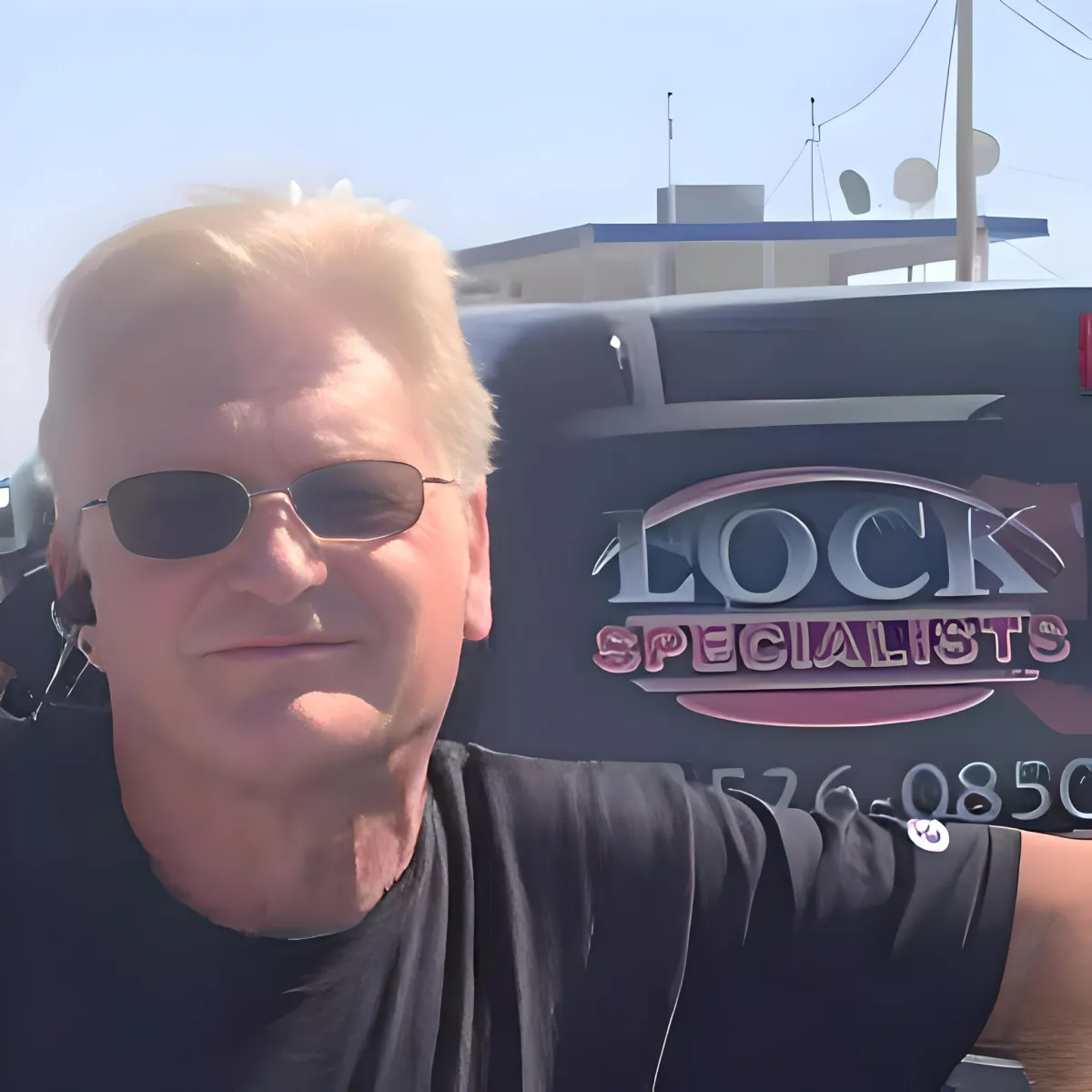
Dennis Murphy, owner of Lock Specialists, with the company service van.
FAQs
Frequently asked questions about commercial lock installation
Can commercial lock installation replace a worn lock on a busy door?
Yes. A technician removes the old hardware, checks the door and frame for fit, and installs a heavy-duty replacement. A door that sags or binds may need adjustment before the new lock works smoothly.
How often is commercial lock installation needed?
Installation usually follows a building sale, a tenant move-in, or a lock that fails beyond repair. Heavy use from staff and customers wears commercial hardware faster than residential hardware.
What happens if a worn commercial lock is left unaddressed?
The latch can stop engaging, the bolt can fail to throw fully, and the door can stay unsecured. Worn internal parts can also let a lock fail under force.
Can commercial lock installation be completed without closing the business?
Usually, if the work covers one door at a time. Staff can keep using other entrances while the technician fits the new lock. Several doors may need a planned sequence.
What maintenance is needed after commercial lock installation?
Test the bolt and latch monthly and tighten any loose screws. Use a dry graphite lubricant in the cylinder, not oil, and keep a written list of key holders.
CUSTOMER REVIEWS




Schedule commercial lock installation
