
Lock rekeying
Lost a key or changed households? Lock Specialists rekeys your residential locks on site, so old keys stop working and a new key set takes over.
ON THIS PAGE
What is lock rekeying?When is lock rekeying needed?What does lock rekeying include?How does lock rekeying work?Types of lock rekeyingWhat systems and components does lock rekeying cover?What are the benefits of lock rekeying?Repair vs. replacement: which is appropriate?What affects the cost of lock rekeying?How long does lock rekeying take?What should you expect during lock rekeying?Why choose Lock Specialists for lock rekeying?Frequently asked questions about lock rekeyingSchedule lock rekeyingOVERVIEW
What is lock rekeying?
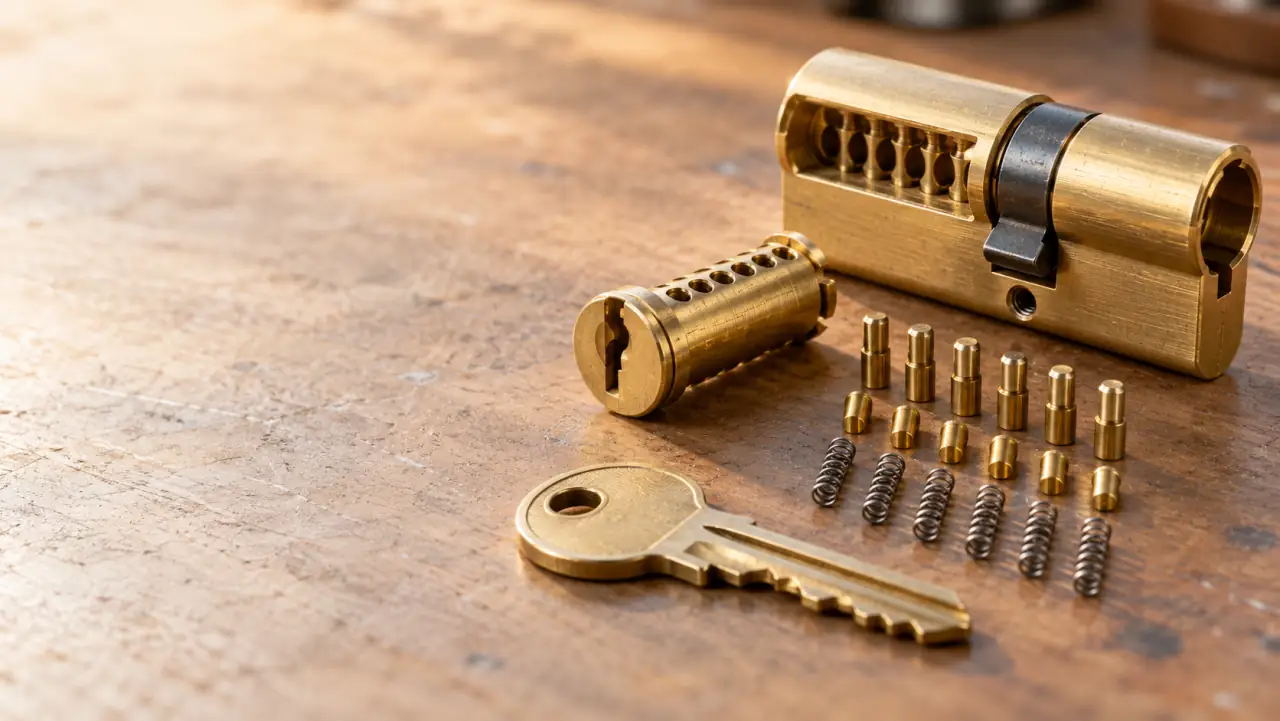
Lock rekeying changes the internal pins of a lock so a different key operates it.
A technician often removes the cylinder, swaps the pin stacks to a new key code, and reinstalls it. The old key stops working, and the new key opens the lock.
Lock Specialists has served Simi Valley since 1973. Technicians hold a California locksmith license and pass a Live Scan background check.
WHEN IT APPLIES
When is lock rekeying needed?
You need it when the set of people who can open a lock has changed.
Signs you need lock rekeying
- A key has been lost or may have been stolen.
- A former tenant, employee, or household member still has keys.
- A home or apartment has changed hands.
- Keys have been copied or shared with people who no longer need access.
Common problems lock rekeying addresses
- Unknown key copies in circulation.
- Changes in household or staff access.
- Several locks that use different keys and need one shared key.
- Contractors who kept keys after their work ended.
SCOPE
What does lock rekeying include?
The service covers changing the pin set, cutting new keys, and checking the result.
Inspection and assessment
The technician checks the cylinder type, the keyway, and whether the pins can be changed.
Preparation and protection
The technician removes the cylinder carefully and protects the door finish and keyway during work.
Service work and procedures
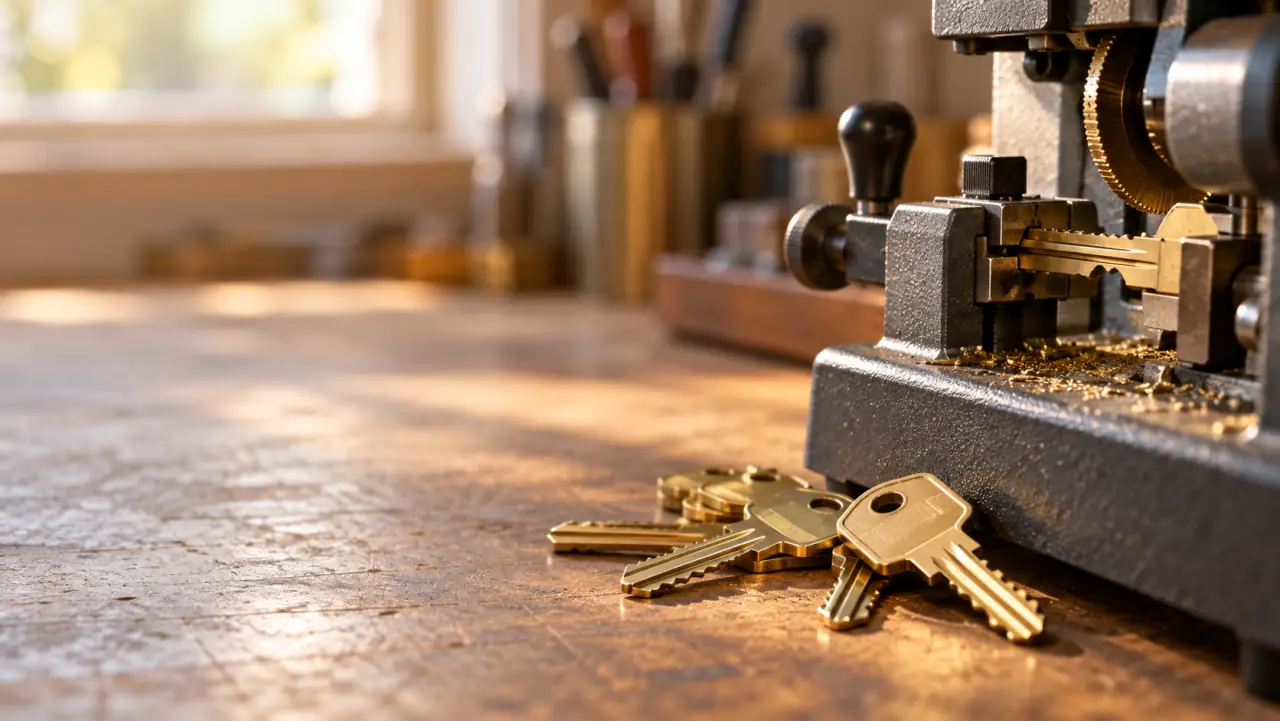
The technician changes the pin stacks to a new key code and cuts the new keys to match.
Testing and verification
The technician tests each new key in the lock and confirms the old key no longer turns the cylinder.
PROCESS
How does lock rekeying work?
The process runs from your call to a tested lock.
Initial evaluation
You describe the locks, how many keys you need, and the reason for the change. You receive an upfront quote.
Recommended scope of work
On site, the technician confirms which locks need rekeying and whether any cylinder needs repair first.
Service execution
The technician rekeys each cylinder and cuts the new keys by code.
Final inspection and completion
The technician tests every new key and confirms the old keys no longer operate the locks.
TYPES
Types of lock rekeying
Each rekeying type fits a different access goal.
Cylinder rekeying
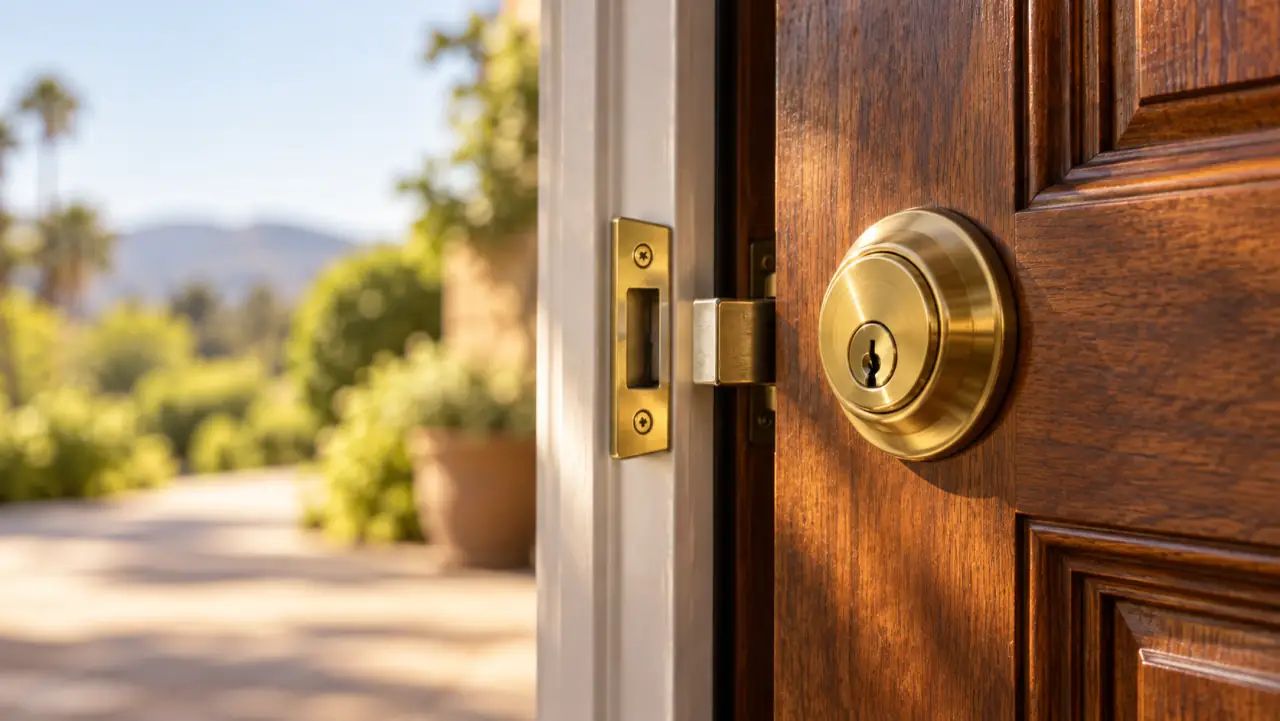
Cylinder rekeying changes the pins in a single lock so it takes a new key. It suits one door that needs new access control.
Keyed-alike configuration
Keyed-alike setups let several locks open with the same key. Technicians set each cylinder to the same code, which suits a home with several exterior doors.
New-occupancy rekeying
New-occupancy rekeying resets every lock in a home or unit when occupants change. It removes access from former occupants without changing the hardware.
COVERAGE
What systems and components does lock rekeying cover?
The service covers the mechanical lock cylinders that accept rekeying.
Deadbolt cylinders: single-cylinder and double-cylinder deadbolts.
Knob and lever cylinders: entry and passage locks with a keyed cylinder.
Mortise and rim cylinders: pin-tumbler cylinders in common residential doors.
Mailbox locks: small pin-tumbler cylinders where the design allows.
Cylinders with worn or damaged pins may need repair or replacement before rekeying.
BENEFITS
What are the benefits of lock rekeying?
Rekeying reuses the lock you have and changes who can open it.
Existing hardware
The lock, handle, and bolt stay in place.
Control of access
Old keys stop working, and you choose who holds new keys.
Fewer keys to manage
Keyed-alike setups let one key open several locks.
Tested result
The technician checks each new key before leaving.
REPAIR OR REPLACE
Repair vs. replacement: which is appropriate?
Rekeying suits a lock in working order, not a damaged one.
Rekeying makes sense when
- The cylinder turns smoothly and the bolt operates normally.
- The problem is access, not wear or damage.
- The cylinder uses a pin-tumbler design that accepts a new key code.
Replacement makes sense when
- The cylinder is worn, bent, or sticking.
- The cylinder design does not allow a new key code.
- The cylinder has a history of damage or forced entry.
COST
What affects the cost of lock rekeying?
Cost depends on the number of locks, the cylinder type, and the number of keys needed.
Each additional lock or key adds work. Lock Specialists gives an upfront quote before beginning any work.
TIMING
How long does lock rekeying take?
The length depends on how many locks need work and how many keys you need.
A single cylinder takes less time than a whole house. Cutting and testing each key adds to the visit. Your technician confirms the schedule when you book.
WHAT TO EXPECT
What should you expect during lock rekeying?
The visit covers each lock and every key in order.
The technician confirms which locks and keys are involved.
Each cylinder is removed, rekeyed, and reinstalled.
New keys are cut and tested in each lock.
You receive the new keys before the technician leaves.
Keep old keys out of use once the new set is in your hands. Old keys stop working when the rekey is finished.
WHY US
Why choose Lock Specialists for lock rekeying?
Lock Specialists is a family-owned Simi Valley company serving the area since 1973.
Licensed: California locksmith license LCO6643, regulated by the Bureau of Security and Investigative Services (BSIS).
Background-checked: technicians complete Live Scan background checks.
Mobile service: the van carries tools for on-site rekeying.
Upfront quotes: you know the cost before work begins.
Service areas: Simi Valley, Moorpark, Thousand Oaks, Chatsworth, and Porter Ranch.

Dennis Murphy, owner of Lock Specialists, with the company service van.
FAQs
Frequently asked questions about lock rekeying
Can lock rekeying fix a lost key problem?
Yes. Rekeying changes the pins so a lost key no longer operates the lock. The technician then cuts new keys that match the updated pin set.
How often is lock rekeying needed?
Only when access changes. Rekeying helps after a lost key, a move, a departed household member, or a change in who holds keys.
What happens if a lost key is left unaddressed?
Anyone who finds the key can open the lock. That risk continues until the cylinder is rekeyed or replaced.
Can lock rekeying be completed without replacing the lock hardware?
Usually, yes. Rekeying works on most pin-tumbler cylinders. A worn or damaged cylinder may need repair or replacement before a rekey holds reliably.
What maintenance is needed after lock rekeying?
Keep spare keys in a known place and limit how many copies exist. Lubricate the cylinder once a year, and test every key after the change.
CUSTOMER REVIEWS




Schedule lock rekeying
